One of the joys of motorhoming through France is discovering the local marchés—those wonderful weekly markets bursting with fresh produce, artisan cheeses, and the kind of rustic charm you simply can’t find in a supermarket. But as we recently discovered, shopping at French markets requires more than just pointing and smiling.
The Quest for the Perfect Steak
After weeks on the road, we’d been having rather disappointing luck with steaks in France. Nothing quite hit the spot the way a proper steak should. So when we spotted what appeared to be a beautiful tenderloin at our favourite marché, we were delighted. The butcher cut us two generous steaks, and we drove back to the motorhome already planning the evening meal.
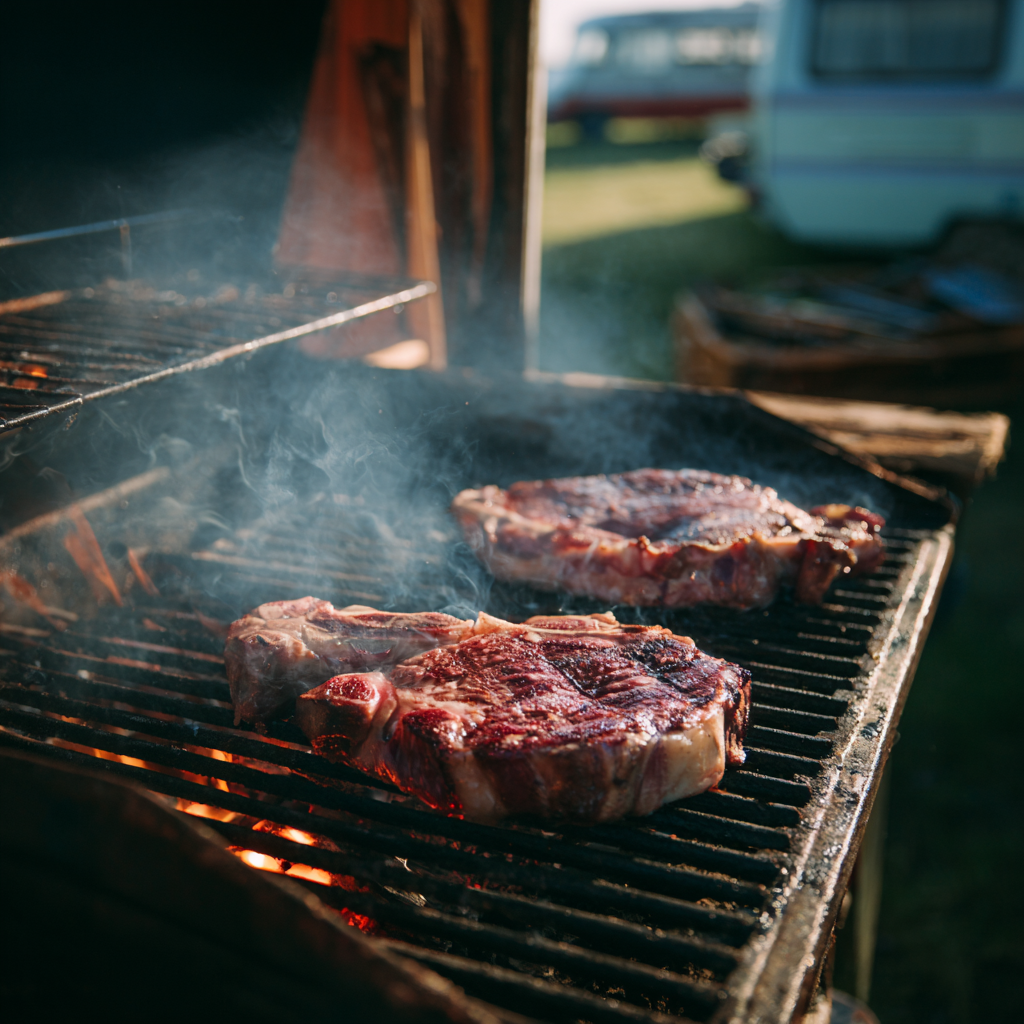
Brad, who’s normally a wizard with meat, took extra care. We marinated the steaks in red wine and garlic—when in France, after all—and he cooked them to what should have been perfection. But something was off. They were strangely tough, with an unusual texture we couldn’t quite place.
“Perhaps just a miss,” we reasoned, chalking it up to bad luck.
Round Two: Surely We Can’t Mess Up Burgers?
The following week, determined not to be defeated, we returned to the same marché. This time, I’d done my homework. Armed with Google Translate, I confidently approached the butcher and ordered “deux galettes du boeuf haché”—two ground beef patties. How badly could we possibly mess up hamburgers?
The butcher looked at me, shaking his head with what I now recognise as gentle amusement. “No bœuf… cheval,” he said, pointing firmly towards another truck across the market. “Bœuf there.”
And that’s when I noticed the sign on his truck that we’d somehow completely overlooked both times.
Cheval.
Horse.
The Penny Drops
Our “tough steaks” suddenly made perfect sense. We hadn’t been eating beef at all—we’d been eating horse. Twice. And we’d been about to order horse burgers to boot.
In France, horse meat (viande chevaline) is perfectly normal and sold openly at markets and in specialist butchers. It’s leaner than beef, often slightly sweeter, and yes—it can be a bit tougher if you’re expecting and cooking it like beef. The French have been eating it for generations, and there’s absolutely nothing wrong with it. Except, of course, when you think you’re buying beef.
Lessons from the Marché
Looking back, we can laugh about it now. But it’s a perfect reminder of some essential motorhoming-in-France wisdom:
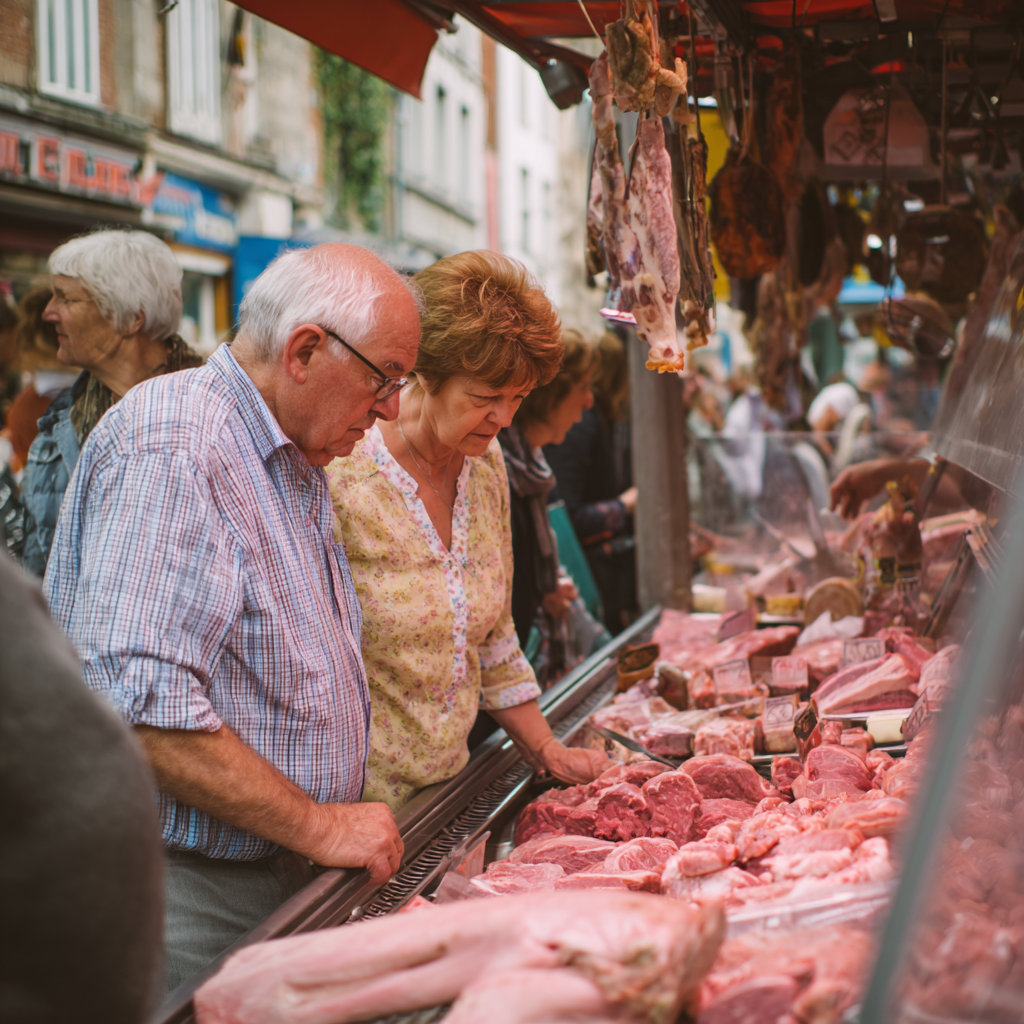
Read the signs—all of them. Even the ones on the side of the truck. Especially those.
Keep practising the language. Google Translate is wonderful, but it won’t notice the sign you’re standing directly in front of.
Be prepared for surprises. Sometimes you’ll accidentally eat horse. Sometimes you’ll end up at a festival you didn’t know was happening. Sometimes you’ll take a wrong turn and discover the most spectacular wild camping spot. That’s the beauty of life on the road.
Ask questions. The French are generally delighted when you try to speak their language, and butchers are usually happy to explain what they’re selling—even if it’s to gently redirect confused foreigners to the beef truck.
The Takeaway
Would we knowingly order horse meat again? Probably not—though there’s nothing wrong with it, and we’d encourage adventurous eaters to try it if they’re curious. But we’ll certainly be more careful about which butcher we’re buying from in future.
And honestly? It’s these little mishaps that make motorhoming such an adventure. Every mistake is a story, every confusion becomes a memory, and every market visit is a chance to learn something new—even if that something is simply “horse ≠ beef.”
So next time you’re at a French marché, take a moment to properly read that sign. Your taste buds will thank you.