A motorhome is a purpose-built vehicle with a fixed living area constructed on a chassis, whilst a campervan is typically a converted van with added camping facilities. The crucial difference isn’t just size or layout – it’s the legal classification on your V5C logbook, which determines everything from insurance costs and ferry prices to whether you can legally drive it and which campsites will accept you.
You’re standing at the Dover ferry terminal, bags packed and route planned for your first continental adventure. The check-in staff glances at your paperwork and frowns. “This is registered as a motor caravan on your V5C – you’re in the commercial vehicle bracket. That’s an extra £140 from the quote you received.” You had no idea that what your vehicle is called officially would cost you more than an entire night’s campsite fees.
Or perhaps you’ve just arrived at that perfect coastal site in Cornwall you found on Park4Night, only to be told your 7.5-metre A-class is too long for their pitches – they only accommodate campervans under six metres. The marketing brochure said it was “compact” and “easy to manoeuvre.” Nobody mentioned you’d be turned away from half the campsites in the UK.
The motorhome vs campervan question isn’t academic. It affects your insurance premiums, whether your partner can legally drive the vehicle, which wild camping spots you can physically access, and how much you’ll pay every time you cross a bridge or board a ferry.
What Actually Defines Each Type
The confusion starts with marketing teams and manufacturers using terms interchangeably. In practical terms, here’s what separates them:
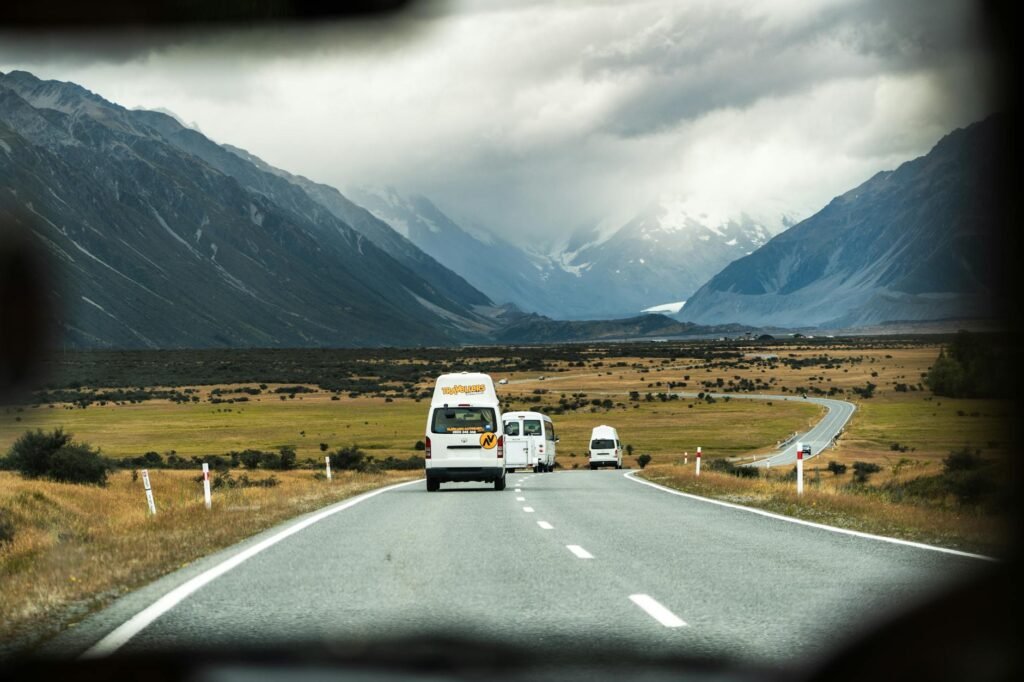
Campervans are based on standard van chassis – think VW Transporter, Ford Transit Custom, or Mercedes Sprinter. The conversion happens after the base vehicle is built, either professionally or DIY. They typically sit under 6 metres in length and 2.4 metres in height. Most retain a van-like appearance from the outside, and many keep the original manufacturer’s cab area virtually unchanged.
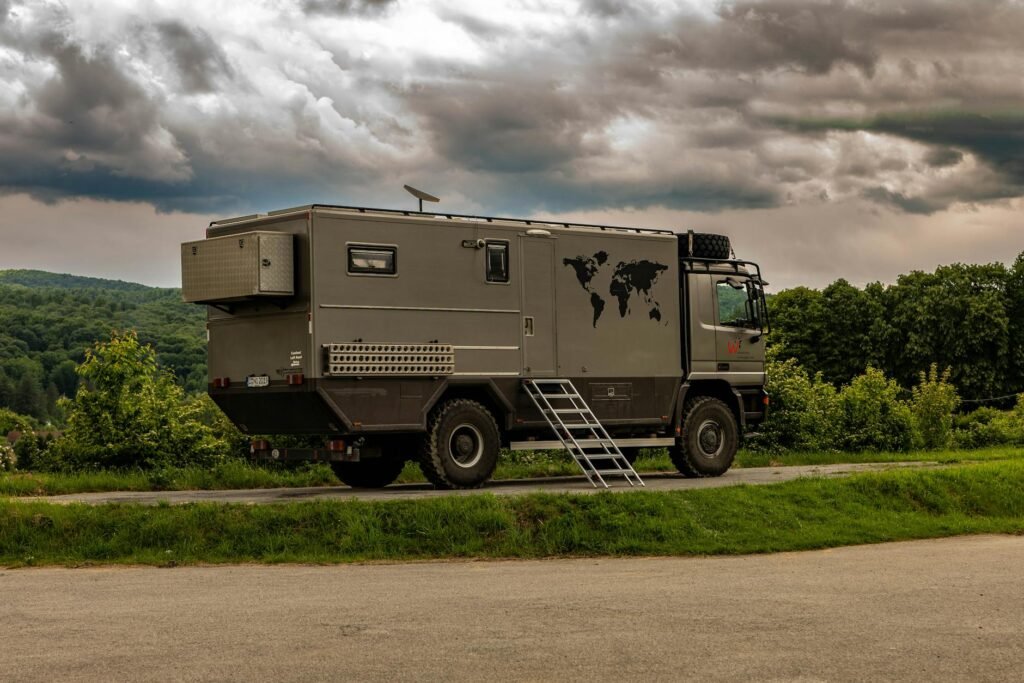
Motorhomes are purpose-built recreational vehicles constructed on commercial chassis. They come in three main types: coachbuilts (box-like living area built onto a cab chassis), A-class (integrated cab and living space with curved, coach-style front), and low-profile (similar to coachbuilt but with a streamlined roofline). They generally range from 6 to 8 metres, with some exceeding 9 metres.
But here’s what most buying guides won’t tell you: the DVLA classification on your V5C logbook matters far more than what the manufacturer calls it. A professionally converted van might still be registered as “panel van” or “diesel car,” whilst a compact coachbuilt will be “motor caravan.” This seemingly minor administrative detail has major real-world consequences.
Reality Check: I’ve met owners of £60,000 van conversions still registered as “panel van – diesel” because the converter never sorted the reclassification. They’re paying commercial vehicle insurance rates and getting stopped by police who think they’re running a business van without proper tax. Meanwhile, their vehicle is worth 15 – 20% less at resale because buyers know the registration headache they’re inheriting.
The Weight Problem Everyone Discovers Too Late
The 3,500kg threshold is where dreams of “we can both drive it” often die. If you passed your driving test after 1 January 1997, your standard UK licence (Category B) only covers vehicles up to 3,500kg Maximum Authorised Mass (MAM). Anything heavier requires Category C1 entitlement.
Most campervans sit comfortably under this limit – a typical VW Transporter conversion weighs around 3,000kg fully laden. But motorhomes frequently exceed it. A 7-metre coachbuilt often starts at 3,300kg empty, and once you’ve added passengers, water, gas, food, bikes, and all the kit you actually need, you’re over the limit.
This isn’t theoretical. If your partner doesn’t have C1 entitlement and you become ill or tired during a trip, they cannot legally take the wheel. The insurance is invalid, and if stopped, they face penalty points and fines. The DVLA makes no exceptions for emergencies or “just driving to the campsite.”
How Classification Affects Your Actual Costs
The financial impact of vehicle classification starts immediately and continues throughout ownership:
Insurance premiums vary wildly. A van conversion registered as a panel van might be quoted commercial vehicle rates (cheaper) or leisure vehicle rates (more expensive but better cover) depending on insurer. A properly registered motorhome typically accesses specialist motorhome insurance – often £300 – 500 annually cheaper than insuring a van conversion under standard van policies, with better agreed-value cover and breakdown assistance included.
Ferry crossings price by vehicle type and length. The Eurotunnel and Dover – Calais ferries charge campervans and motorhomes differently, with costs increasing in bands based on length. A 5.5-metre campervan might cost £80 for a crossing, whilst a 7-metre motorhome pays £140 – 180 for exactly the same journey and sailing time.
Tolls and crossings like the Dartford Crossing charge by vehicle classification. What’s registered on your V5C determines which category you’re placed in – and that can mean anything from £2.50 to £6.00 for the same journey.
Campsites operated by clubs like The Caravan and Motorhome Club and the Camping and Caravanning Club price by pitch type and vehicle size. Larger motorhomes require larger pitches with higher fees – sometimes £8 – 12 more per night than a campervan pitch. Over a typical season, that’s hundreds of pounds.
Access and Practicality: Where Size Actually Matters
Height barriers are the great equaliser. Most UK car parks restrict entry to 2 metres, with some allowing up to 2.1 metres. A typical campervan sits at 1.9 – 2.4 metres high. Most motorhomes measure 2.6 – 3.2 metres. This single dimension determines whether you can access:
- Seaside town car parks along the Cornish and Welsh coasts
- Supermarket car parks for convenient shopping stops
- Historic town centres and tourist attractions
- Multi-storey car parks in cities
- Many pub car parks and rural venues
Length affects manoeuvrability on single-track roads (common throughout Scotland, Wales, and Devon), fitting into parking bays, and negotiating tight village streets. A 5-metre campervan drives much like a large van. A 7.5-metre motorhome requires planning, confidence, and sometimes a spotter for reversing.
Wild camping and overnight parking spots found on apps like Park4Night often have physical restrictions. That stunning coastal spot with the 2.8-metre height barrier and tight turning circle? Perfect for a campervan, impossible for most motorhomes.
Making the Right Choice for Your Situation
The decision hinges on honest answers to practical questions:
Who needs to drive it? Check licence entitlements carefully. If both partners need driving capability and one has a post-1997 licence, staying under 3,500kg is non-negotiable unless someone takes the C1 test (£1,000 – 1,500 for training and testing).
Where will you actually go? If you want flexibility to explore towns, use supermarket car parks, and access rural areas with height barriers, a campervan’s dimensions provide freedom that motorhomes cannot match. If you plan campsite-to-campsite touring, particularly abroad, a motorhome’s extra space matters more.
How many people, honestly? A couple can live very comfortably in a well-designed campervan. Families with children or groups genuinely need motorhome space – separate sleeping areas, proper bathrooms, and living space that doesn’t require converting the bed every evening.
What’s your parking situation? A campervan fits on most driveways and doesn’t dominate the street. A large motorhome may require paid storage (£50 – 150 monthly), needs careful parking to avoid annoying neighbours, and attracts attention.
Reality Check: The “just go bigger” advice is everywhere, but I’ve watched friends buy 7-metre motorhomes, use them twice because they’re intimidating to drive, then sell at a £15,000 loss two years later. Meanwhile, couples in well-equipped Transporters are on their fourth European tour, parking in medieval town centres and shopping at local markets. Match the vehicle to your actual comfort level and realistic usage, not your aspirational Instagram fantasy.
What Goes Wrong When You Choose Badly
The consequences of mismatched vehicle choice are expensive and frustrating:
Buy too large and you’ll avoid using it. Insurance, servicing, and depreciation continue whether you’re touring or not. A £50,000 motorhome losing £5,000 annually in depreciation whilst sitting unused is financial self-harm.
Buy without checking licences and one partner cannot drive – destroying the flexibility that makes motorhoming work. Taking the C1 test retrospectively costs money and time, and some people never gain confidence with larger vehicles.
Choose a van conversion without proper V5C reclassification and you’ll fight every insurer, pay wrong toll rates, and lose significant value at resale. Professional reclassification through the DVLA requires an inspection and meeting specific criteria under regulations like British Standard EN1646-2 for habitation areas.
Underestimate height restrictions and you’ll miss half the country’s accessible spots, or worse – hit a barrier and cause thousands in damage to your roof. Insurance excess on motorhome roof damage typically starts at £1,000.
Frequently Asked Questions
Can I convert a van myself and register it as a motorhome?
Yes, but it requires meeting specific DVLA criteria including fixed sleeping, cooking, and seating facilities. You’ll need professional photographs, receipts for conversion work, and potentially an inspection. The vehicle must have permanent fixtures – removable furniture doesn’t qualify. Many insurers also prefer professionally certified conversions for full motorhome insurance coverage.
Will a campervan be cold in winter compared to a motorhome?
Not necessarily. Insulation quality matters more than vehicle type. Professional van conversions often use modern insulation materials throughout, whilst older motorhomes may have poor thermal efficiency. Both can be fitted with diesel heaters (like Webasto or Eberspächer) for effective winter heating. The smaller space in a campervan actually heats faster and retains warmth better than a large motorhome.
Do motorhomes hold their value better than campervans?
It depends entirely on the specific vehicle and its V5C classification. Properly registered motor caravans from reputable manufacturers (Burstner, Hymer, Auto-Trail) hold value well. Van conversions vary wildly – professionally converted models with motorhome registration hold value similarly to coachbuilts, but DIY conversions or those still registered as panel vans depreciate faster. Brand reputation and build quality matter more than vehicle type.
Can I park a motorhome on a residential street overnight?
Legally, yes, assuming no specific restrictions like yellow lines or residents-only parking zones. However, many councils have introduced regulations limiting motorhome parking duration (often 2 – 4 hours) in response to complaints. Some neighbourhoods have restrictive covenants preventing commercial-sized vehicles. Campervans that look like standard vans attract far less attention and fewer complaints. Always check local authority parking regulations – fines start at £70 and some areas now actively enforce motorhome restrictions.