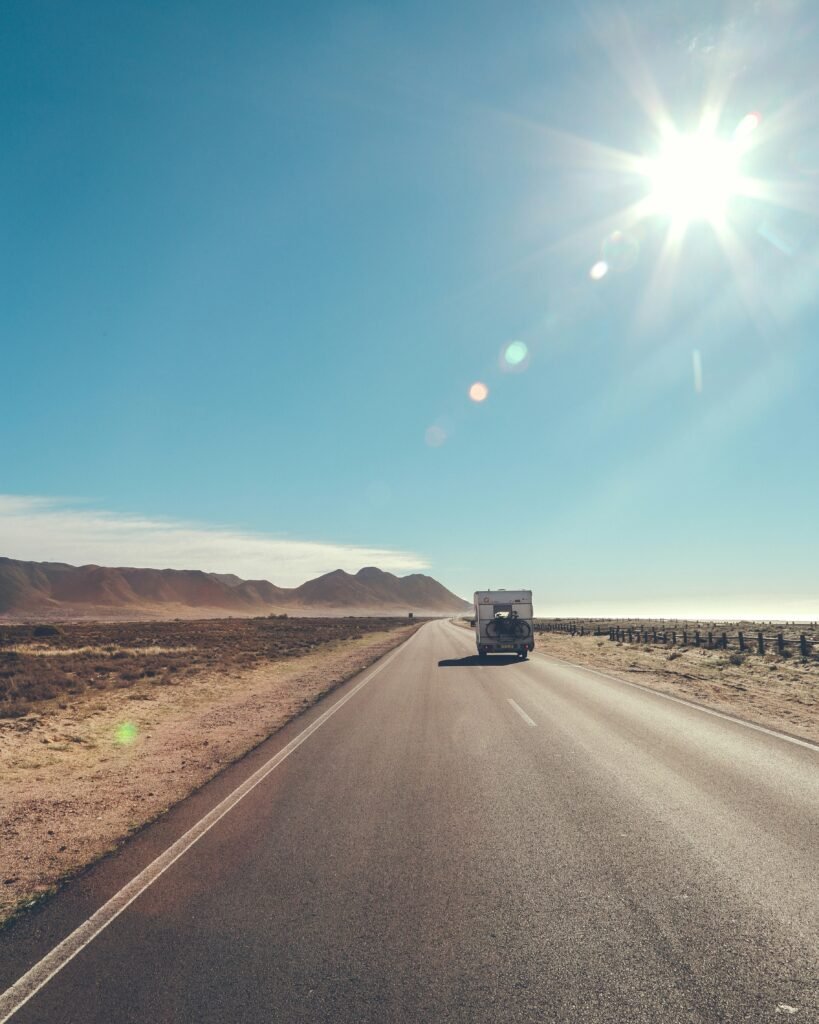
I’ll never forget the day we got the keys to our first motorhome. It was a second-hand, well-loved Swift Capri coachbuilt, and it felt like a passport to a new life. For months, we’d been dreaming of the freedom to roam, to wake up to a different view every morning, and to have a cosy little home on wheels. We pictured ourselves sipping tea with a view of a loch in Scotland or watching the sunrise over the Cornish coast.
But the reality? That first day, as we stood in front of this large, rectangular vehicle, the excitement was a mix of sheer joy and pure terror. We had the vehicle, but did we really know how to use it? How did the toilet work? What was an EHU? What if we got stuck on a narrow road in the Yorkshire Dales? This guide is the one I wish we’d had—a comprehensive roadmap from someone who’s been exactly where you are, from the moment we got the keys to our first successful trip.
The Pre-Trip Checklist: Your Core Decisions
Before you even think about packing a toothbrush, you need to make a few fundamental choices. These decisions will shape your entire motorhoming experience.
Buying vs. Renting: The First Big Question
This is the most common dilemma for a newbie. Do you dive in and buy, or do you test the waters with a rental?
Renting: The “Try Before You Buy” Approach.
Pros: You get to experience the lifestyle without the huge financial commitment. It’s a fantastic way to test different vehicle layouts and sizes. If you only plan to take one or two trips a year, renting is often more cost-effective.
Cons: You don’t get the full sense of ownership, and you can’t make any personal modifications. Plus, rental costs can add up if you fall in love with the lifestyle and want to go away frequently.
Buying: The Long-Term Commitment.
Pros: The freedom is unparalleled. You can decide on a Friday to head to the coast and be gone by Saturday morning. You can customise your vehicle exactly how you want it, and over time, you build a connection with your home on wheels.
Cons: The initial investment is significant. You are also responsible for all maintenance, insurance, and storage costs, which can be a surprise for many new owners.
Choosing Your Vehicle: Finding the Right Fit for UK Roads
The UK’s narrow lanes and historic villages mean size really does matter. Don’t just choose the biggest vehicle you can afford—choose the one that fits your travel style.
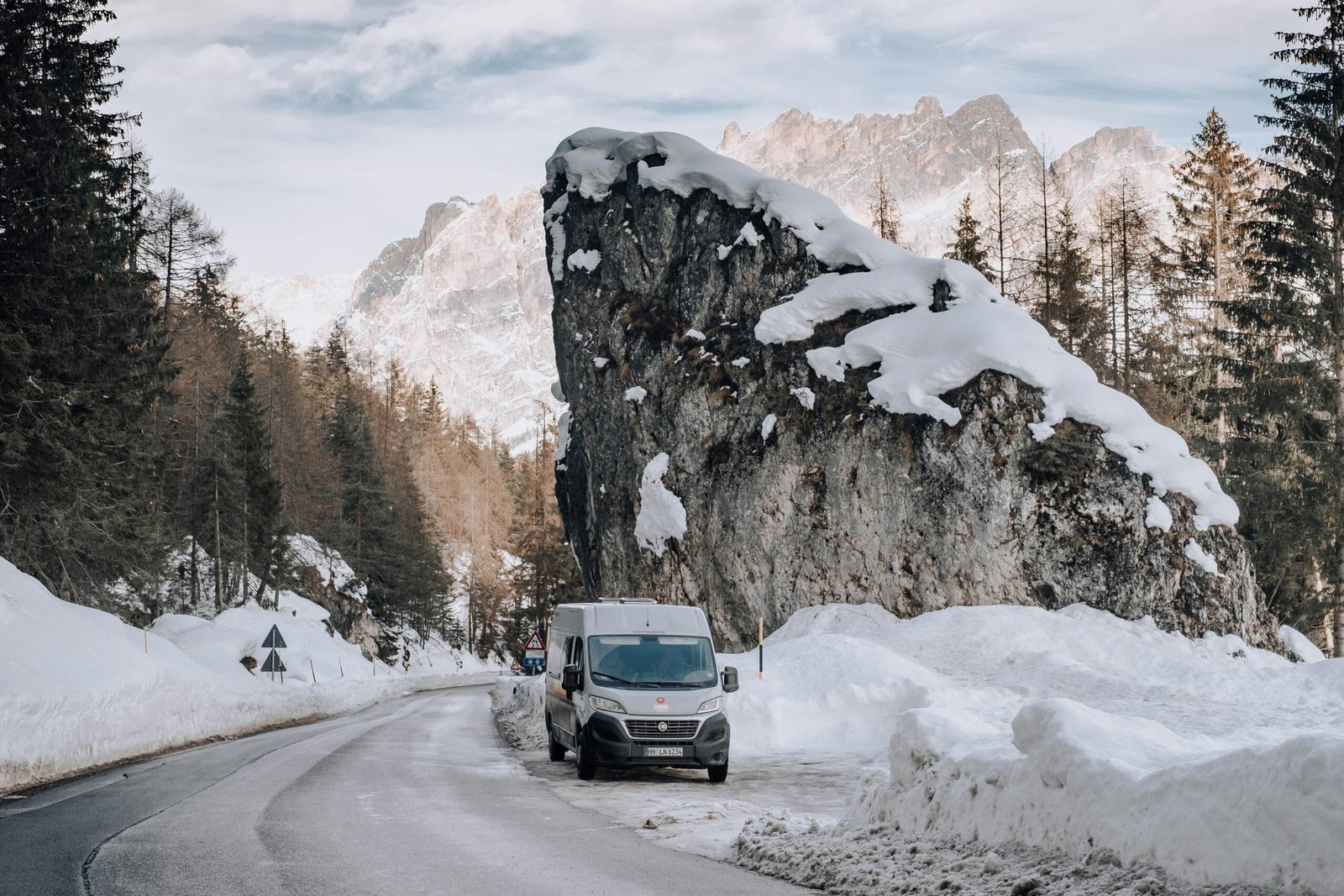
Campervans (Class B): A great entry point. They’re built on a van chassis, making them easy to drive and park. They’re perfect for solo travellers or couples who value manoeuvrability.
Pros: Easy to park, fits in most standard parking spaces, and more fuel-efficient.
Cons: Limited interior space, small kitchen, and often no separate toilet/shower.
Our Story: Our first weekend away was in a friend’s campervan. We loved how easily we could park in seaside towns, but we quickly realised the lack of storage and a proper shower was a deal-breaker for us on a longer trip.
Coachbuilt Motorhomes (Class C): This is the most popular type in the UK. They have a living area built onto a chassis cab, usually with a bed above the driver’s cab.
Pros: More spacious, with separate living, kitchen, and bathroom areas. Ideal for families or those seeking more comfort.
Cons: Can be a challenge to navigate on very narrow roads and often require a campsite with larger pitches.
Pro Tip: Make sure you have somewhere to park your new home on wheels. Don’t make the mistake we made… We lived on a narrow road and there wasn’t room to reverse into our drive because of the long rear overhang. I had to widen the driveway and buy a new double gate.
Our Story: We settled on a second-hand coachbuilt motorhome. While it was a bit nerve-wracking to drive at first, the extra space for our gear and the ability to cook a proper meal made all the difference. Not to mention the luxury of having our own bathroom!
A-Class Motorhomes: The luxury bus of the motorhoming world. They have a wide, panoramic front window and are built on a commercial chassis.
Pros: Extremely spacious, luxurious interiors, and huge living areas.
Cons: Expensive to buy and run, very difficult to drive and park on UK roads. They are best suited for large, international trips and are a rare sight on narrow British country lanes.
The Practicalities of UK Motorhoming
Once you’ve chosen your vehicle, the real work begins. This is where you’ll save yourself a lot of stress by getting the paperwork and pre-trip checks right.
Driving Licence, Insurance, and Legalities
This is the part that gave me the most anxiety, but it’s actually quite straightforward.
Driving Licence Entitlements:
Passed Before 1st January 1997: I’m in my seventies and obviously born way earlier than 1997. My C1 licence entitles me to drive a vehicle up to 7,500kg. Sidenote: It’s important to note that when you reach the grand old age of 70, you need to renew your licence and your C1 entitlement isn’t automatically renewed. You have to apply with a form D4 together with a D2 Medical Assessment that has to be completed by a Doctor. (I use D4Drivers who offer a great service and it’s much cheaper than paying your GP)
Passed After 1st January 1997: You are limited to vehicles up to 3,500kg. The good news is that most starter motorhomes, campervans, and even some larger coachbuilts are under this weight. If you do want to drive a heavier vehicle, you’ll need to take an additional test for a C1 entitlement.
Insurance: Unlike a car, your motorhome needs specific insurance that covers both the vehicle and the “habitation” or living area. Make sure your policy includes coverage for a comprehensive breakdown service—it’s a lifesaver if anything goes wrong.
Roadside Assistance: This is an absolute must-have. A motorhome breakdown is far more complicated than a car’s. We had a minor electrical issue in aremote Forestry & Land Scotland car park and were so relieved we had a specialised service that knew exactly how to handle it.
Pro Tip: It can be more cost effective to open a premium bank account with either Nationwide Building Society or the Coooperative Bank their benefit packages both offer Breakdown cover
Disclaimer: This is general information and not legal advice. Always check your personal driving licence entitlements and insurance policy details. The information here is for guidance only.
Navigation and Planning
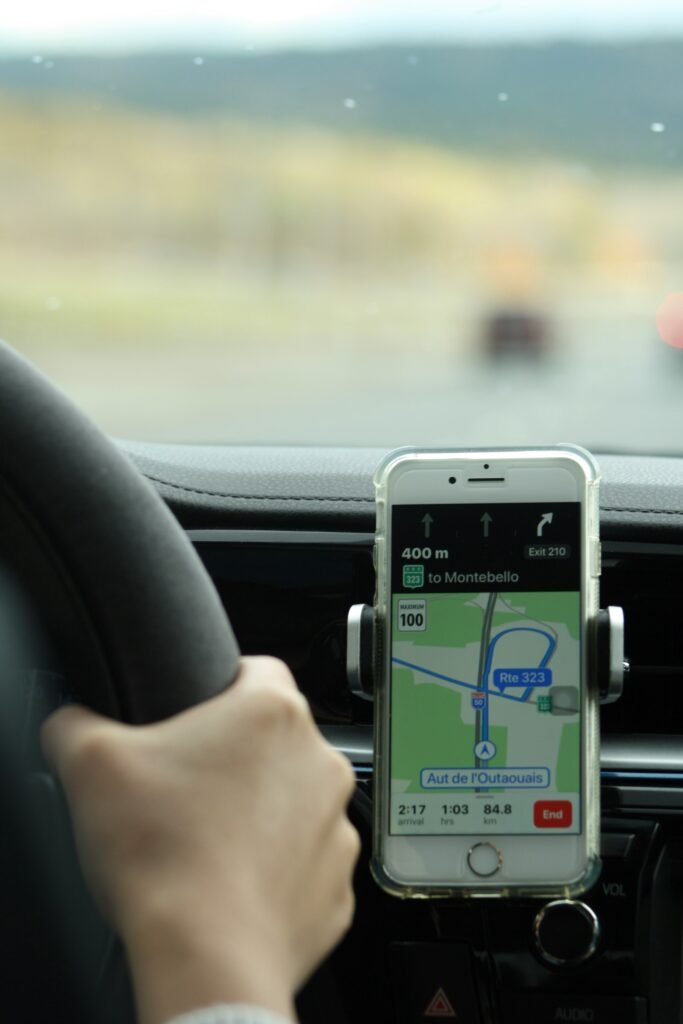
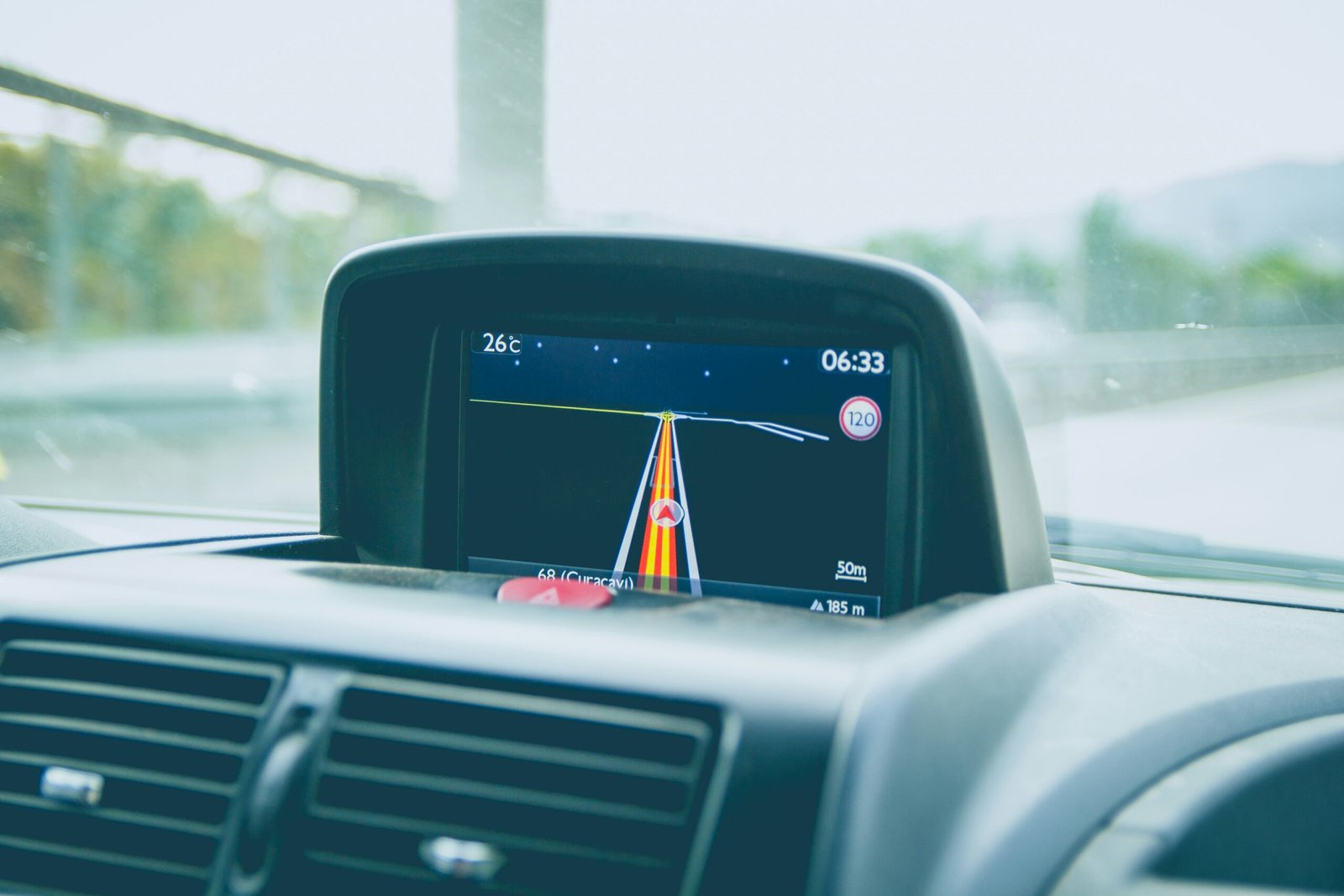
Do not rely solely on Google Maps. Trust me, it will send you down a narrow road with tight turns and nowhere to turn around.. We had that exact heart stopping experience when blindly following Google’s directions to the municipal campsite in Honfleur in France.
Having learned from that experience we now use the CoPilot app on an IPhone which allows you to enter your vehicle’s dimensions and weight. There is also a “Live Traffic” option which is great value for money. Pro Tip: We also have an approprite and up to date Road Atlas with us at all times.. just to be sure!
Motorhome-Specific Sat-Navs: These are a game-changer. They allow you to enter your vehicle’s height, width, and weight, and will plan routes that avoid low bridges, narrow roads, and steep hills.
Apps & Websites: Use apps like Search4Sites (Our favourite), Park4Night and search online forums to find well-suited campsites, Aires (designated motorhome stopovers), and other safe places to stay. We spent a lot of time on these sites, which helped us avoid a lot of stress.
Essential Gear & Systems: Living on the Road
Your motorhome is a self-contained unit, but it needs a little help from some essential gear to function. This is where you learn to live simply but effectively.
Power and Water: Your Lifelines
Electricity: The heart of your motorhome is the leisure battery, which powers your lights, water pump, and USB sockets. It charges when you’re driving or when you plug into a mains electrical hook-up (EHU) on a campsite. Always carry a long EHU cable and a variety of adapters for different hook-up points.
Water: Your motorhome will have a freshwater tank and a grey water tank. The freshwater tank powers your taps and shower. The grey water tank collects the waste from your sink and shower. Remember to top up the freshwater and empty the grey water tank at a campsite’s designated disposal point. We use a “Magic Hose” which is elasticated, shrinks to a smaller site for packing and takes up minimum space. Pro Tip: Always carry a selection of adapters to connect your hose to different types of tap.
The First Pantry Stock-up: A Lesson in Space
The kitchen is tiny, but you’d be surprised what you can cook. Our first mistake was bringing an entire suitcase of non-perishable food. We quickly learned to focus on versatile, space-saving ingredients and got creative with one-pot meals. Small, stackable cookware and a good quality portable stove are your best friends. We carry a small stock of essentials such as pasta, rice, beans, chickpeas, lentils, etc. However, we really enjoy buying our fresh produce in local shops. Especially when traveling in France where you can find local cheeses and other delicasies.
Your First Journey: From Campsite to Grand Tour
Your first journey is all about practice. Keep it local, keep it simple, and don’t overthink it.
The First Campsite: A Lesson in Etiquette
Your first night at a campsite can be a bit awkward. Don’t worry; every motorhomer has been there.
Check-in: Head to reception to get your pitch number and the code for the facilities.
Hook-up: Drive onto your pitch, and with your EHU cable, plug the motorhome end in first, then the bollard end.
Water & Waste: Find the freshwater tap to fill your tank and the grey water disposal point to empty it.
The Toilet Cassette: Your motorhome toilet has a small removable tank called a cassette. You’ll need to empty it into a specific disposal point, often called a “chemical disposal point” or “CDP.”
That first night, after a nervous evening of figuring everything out, we sat outside with a cup of tea. As the sun set, we looked at our little home on wheels and felt a profound sense of accomplishment. We had done it.
Conclusion: Why It’s All Worth It
Your first motorhome trip won’t be perfect. Something will go wrong, you’ll forget something important, or you’ll get lost. On one of our early trips, we were about 15 miles from home when my wife suddenly remembered that she’d left her wedding and engagement rings on the bathroom windowsill!
But those moments become the funniest stories and the most valuable lessons. The freedom to explore, the joy of a perfect sunrise or sunset, and the community you’ll meet along the way are what make it all worthwhile. Don’t be surprised when you meet another motorhome coming in the opposite direction to be acknowledged with an enthusiastic wave.