Skip to content
Motorhome parked on residential driveway with owner checking documentation and weight specifications

The Most Common Mistakes When Buying a Motorhome

Most first-time motorhome buyers lose £8,000-£15,000 trading up within 18 months due to under-speccing payload capacity, failing to check for damp ingress, and choosing vehicle size based on intimidation rather than actual usage needs. These mistakes are avoidable with proper pre-purchase planning.
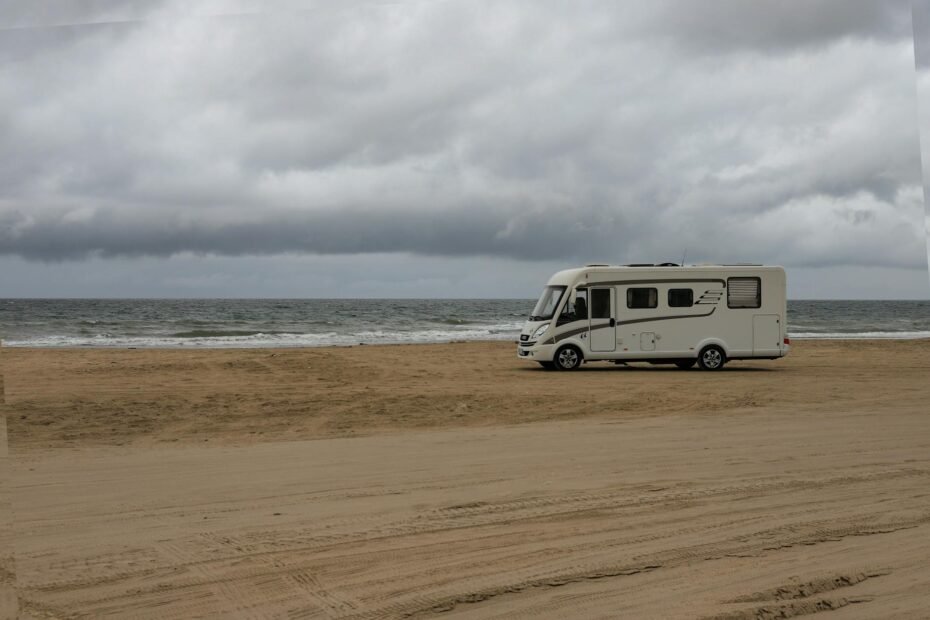
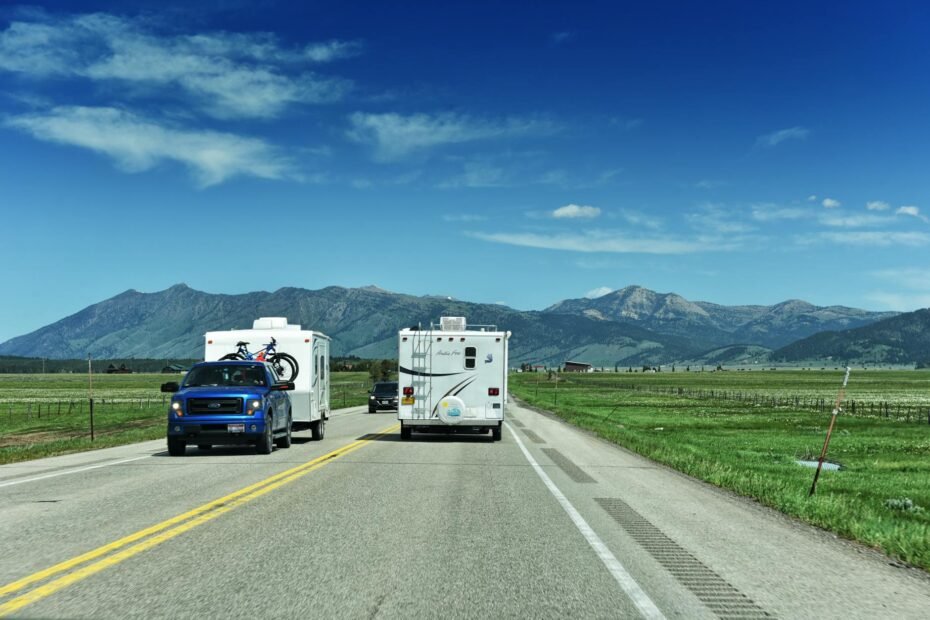
Motorhome parked in narrow residential driveway demonstrating tight storage constraints

What Size Motorhome Do I Actually Need?

You need the largest motorhome that fits your storage situation, stays under 3,500kg if anyone driving it passed their test after 1997, and doesn’t price you out of the ferry routes you’ll actually use. Everything else is negotiable.

Moisture meter being used to check for damp at floor-wall junction inside a motorhome

How to Avoid Buying a Damp Motorhome

Check for damp by viewing when the motorhome has been cold and unheated for at least 48 hours, using a Protimeter Surveymaster to measure moisture levels at floor-wall junctions, window seals, and rear corners. Compare internal and external readings at the same points – a difference of more than 10–15% indicates water ingress, not condensation.

Three year old motorhome on dealer forecourt next to new model showing price comparison

Should I Buy a New or Used Motorhome?

New motorhomes offer manufacturer backup but brutal first-year depreciation. Three-year-old models hit the sweet spot for value, while eight-year-old vans reward those comfortable with spanners.