The Plot Thickens: New EU Border Rules That Every Motorhomer Needs to Know
Hello, fellow adventurers and road-trip enthusiasts!
Picture this: You’ve got your motorhome packed to the brim with all your favourite camping gear, the route is carefully plotted on your satnav (with a few scenic detours marked, naturally), and you’re filled with that familiar sense of freedom and excitement as you prepare to hit the road. The ferry’s booked, your European travel insurance is sorted, and you can practically taste that first croissant waiting for you across the channel.
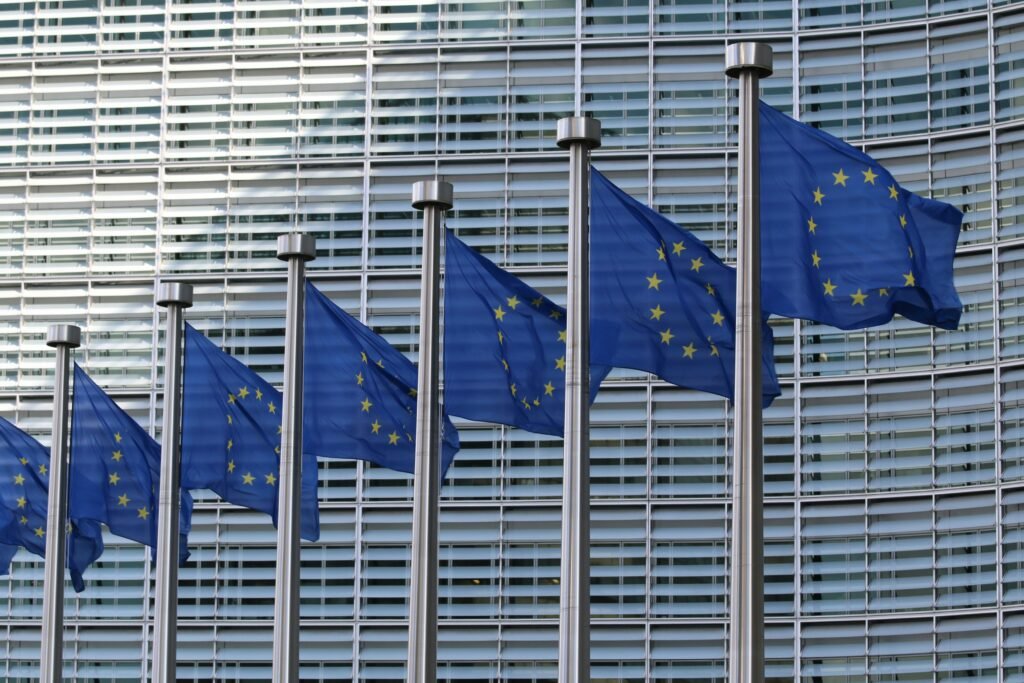
But wait! Before you start dreaming of French aires and German stellplätze, there’s a new rule coming in on 12th October, and if your travels are taking you across the channel, you absolutely need to know about it.
Don’t worry—this isn’t a change to the UK rules about what you can drive at home. Your trusty motorhome isn’t suddenly going to require different paperwork for trundling around the Cotswolds or exploring the Scottish Highlands. This new rule is all about making your journey into the European Union a little different from now on.
The Great Border Update: EES Has Arrived
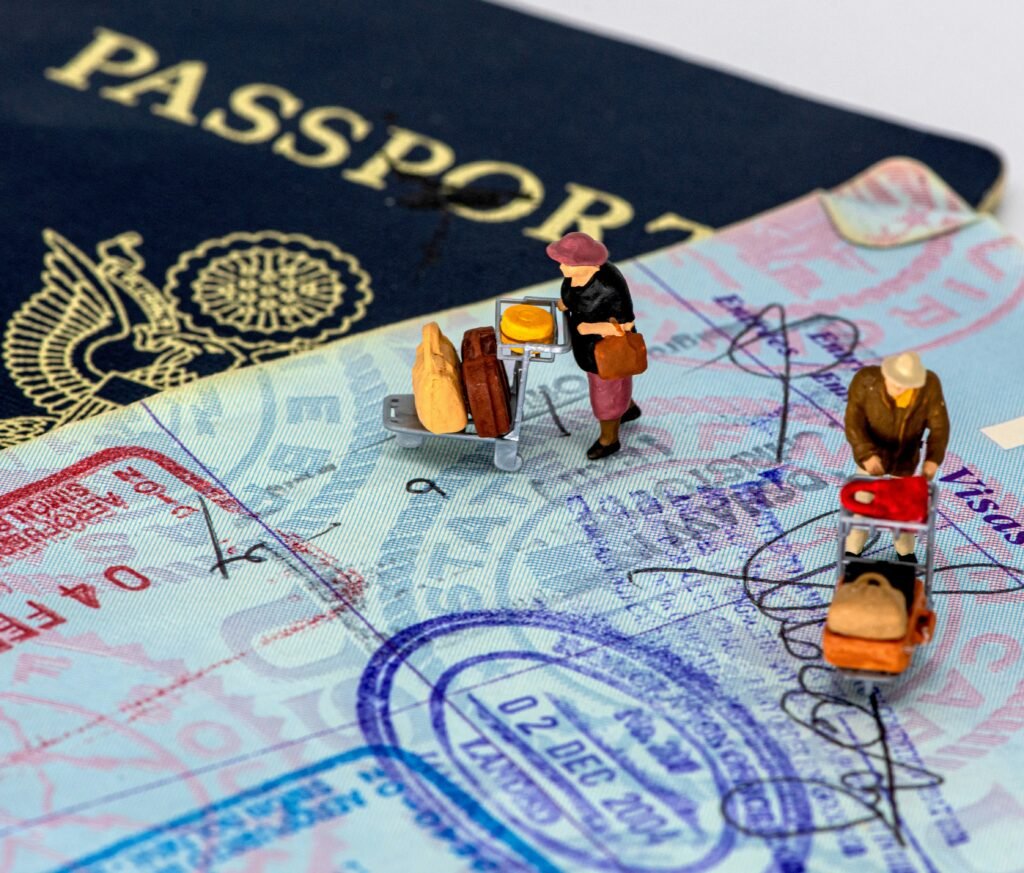
Remember the days when crossing into Europe felt like collecting stamps in a travel journal? For years, that satisfying thump of a passport stamp was the tell-all sign of your travels—a little inky memento that proved you’d made it to France, Spain, or wherever your wanderlust had taken you.
But come 12th October, the EU is introducing a rather high-tech upgrade to this age-old system. It’s called the Entry/Exit System (EES), and whilst it might sound like something from a science fiction film, it’s actually designed to make border security more efficient in the long run.
Think of it as a digital welcome mat, if you will. Instead of that familiar passport stamp, your personal details, entry and exit dates, and even your fingerprints and a photograph will be logged electronically. It’s the EU’s way of modernising and securing their borders—rather like upgrading from a paper diary to a smartphone, but for international travel.
What This Means for Your Next European Adventure
So, what does this actually mean when you’re queuing up with your motorhome at Dover or rolling off the ferry in Calais? Well, you might want to pack a little extra patience in your travel essentials, especially in those first few weeks whilst everyone—border officials and travellers alike—gets to grips with the new procedures.
The reality is that the new system could mean longer queues at border crossings. Think of it like the early days when contactless payments were first introduced in shops—remember how everyone fumbled about trying to work out which way to wave their card? It’ll be a bit like that, but with passports and fingerprint scanners.
Our best advice? Plan ahead, allow a generous bit more time for your journey, and try to see it as part of the grand adventure. Perhaps pack a thermos of proper tea and some biscuits for the wait—you might even make friends with fellow motorhomers in the queue. Some of the best travel stories start with unexpected delays, after all.
The Practical Bits: What to Expect
When you arrive at the border, you’ll need to:
Present your passport as usual
Have your photograph taken digitally
Provide fingerprints (don’t worry, it’s quick and painless)
Answer the standard questions about your trip
The whole process should only take a few minutes per person once everyone’s got the hang of it, but multiply that by hundreds of travellers, and you can see why there might be initial delays.
Looking Down the Road: ETIAS on the Horizon
And just to keep you fully in the loop about what’s coming next, there’s another system making its way down the pipeline. From late 2026, UK citizens will also need to obtain something called a European Travel Information and Authorisation System (ETIAS) before heading to the Schengen area.
Think of ETIAS as a bit like the ESTA system that Americans use when travelling to Europe, or that we Brits need when visiting the States. It’s essentially a pre-travel check-in that you’ll complete online before your trip—a digital nod that says “yes, I’m planning to visit your lovely countries for a holiday.”
The good news is that once you’ve got your ETIAS authorisation, it’ll be valid for three years or until your passport expires, whichever comes first. So you won’t need to apply for every single trip—just renew it when needed, rather like your motorhome insurance or MOT.
It’s designed to make your border crossing even smoother in the long run, though there will likely be a small fee involved (the exact amount hasn’t been confirmed yet, but it’s expected to be quite reasonable).
A Quick Refresher for Your UK Adventures
Whilst the big news is certainly about international travel, it’s always worth having a quick refresher on the rules for driving your motorhome or towing your caravan right here in bonnie Britain. After all, some of the most spectacular motorhoming destinations are right on our doorstep—from the dramatic coastlines of Cornwall to the breathtaking landscapes of the Scottish Highlands.
The most important thing to remember is your vehicle’s weight and when you passed your driving test:
If you passed your test before 1st January 1997, you’re in luck! Your licence automatically allows you to drive vehicles up to 7.5 tonnes (7,500kg). This means most motorhomes are well within your legal limits, and you can focus on the important stuff—like working out whether you’ve packed enough tea bags for a week in the Lake District.
If you passed your test on or after that date, your standard car licence covers vehicles up to 3.5 tonnes (3,500kg). If your motorhome tips the scales beyond that, you’ll need to get a specific licence category (C1). It’s not a massive hassle, but it is worth sorting out before you find yourself on the wrong side of the law—or worse, unable to drive your dream motorhome.
The Bottom Line: Change Is Coming, But Adventure Awaits
The landscape of European travel is shifting, there’s no doubt about it. These new systems might seem a bit daunting at first glance, but remember—they’re designed to make travel safer and, eventually, more efficient for everyone.
Yes, there might be a few growing pains as everyone adapts to the new procedures. You might find yourself queueing a bit longer at borders in the coming months, or needing to fill out an online form before your next European adventure. But let’s be honest—when has a little bureaucracy ever stopped a determined motorhomer from exploring new horizons?
The key is to stay informed, plan accordingly, and maintain that spirit of adventure that drew you to motorhoming in the first place. Pack your patience alongside your passport, allow extra time for border crossings, and remember that every great journey has its challenges—they often make the best stories later.
So there you have it! You’re now fully briefed and ready to tackle whatever the roads throw at you, whether it’s navigating new EU border procedures or simply finding the perfect wild camping spot in the Yorkshire Dales.
The open road is calling, fellow adventurers—both at home and abroad. Safe travels, and may your journey be filled with stunning views, friendly fellow travellers, and just the right amount of adventure.