Edinburgh’s Tourist Tax: What Motorhome and Campervan Owners Need to Know
Edinburgh will become the first place in Scotland to charge a “tourist tax” on motorhome and campervan stays from next summer – but only if you’re staying on formal sites.
From this week, anyone booking pitches at campsites and caravan parks in the capital for stays after 24 July 2026 will face an additional 5% levy on top of their pitch fees.
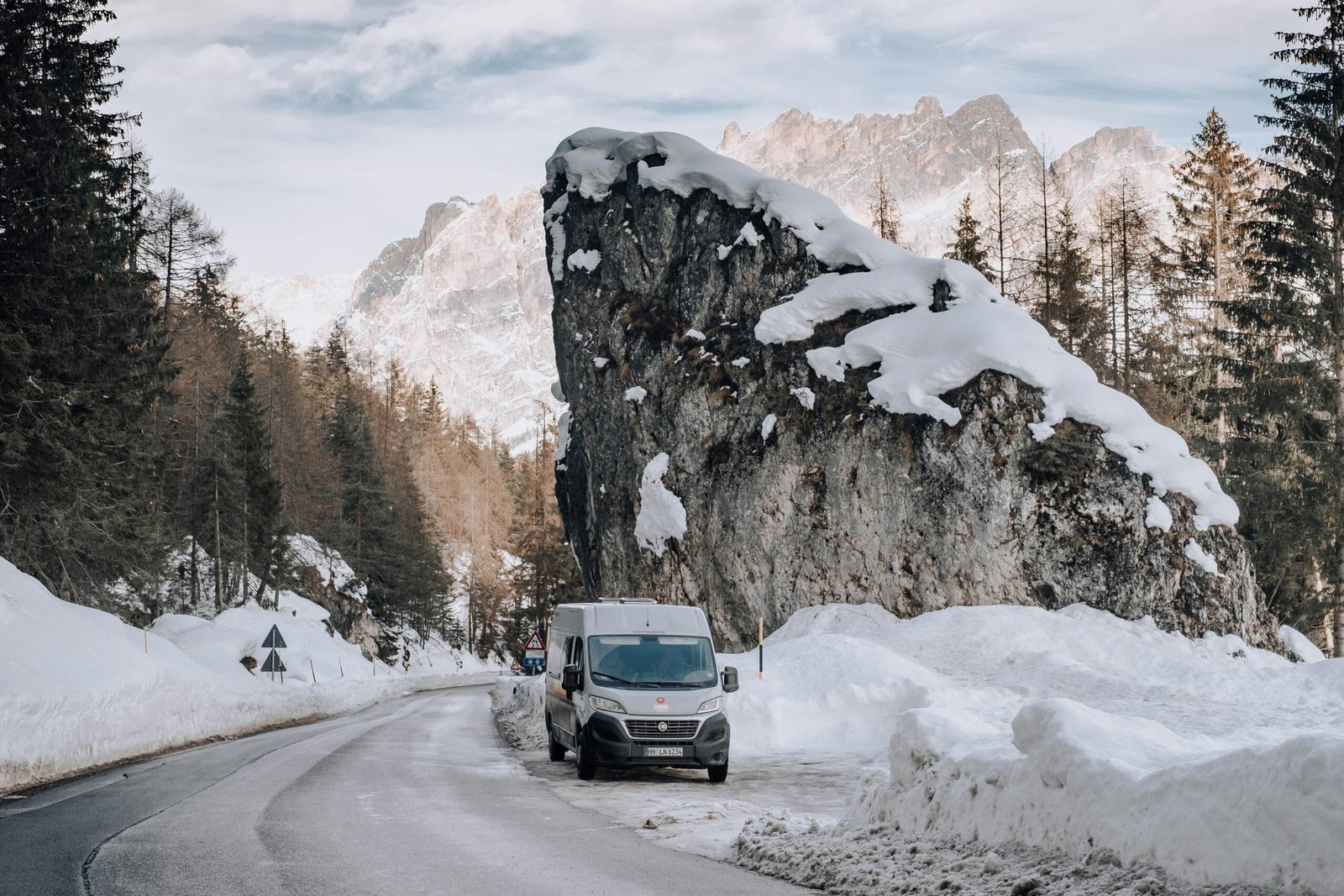
However, in a move that has sparked concern amongst some councils, motorhomes and campervans parked at the roadside or in informal locations will not be subject to the charge.
If you’ve already booked and paid for a pitch in Edinburgh next summer, you won’t have to pay the visitor levy.
But from 1 October, motorhome owners booking stays at Edinburgh campsites and caravan parks will need to pay an extra 5% on top of their pitch fees.
The charge will apply to stays after 24 July 2026, but crucially, it will only be charged for the first five nights of your stay. If you’re planning a longer tour of the capital, any nights beyond the fifth will be levy-free.
The tax will apply to anyone staying at:
Caravan parks
Campsites
Motorhome stopovers with facilities
However, motorhomes and campervans parked on public roads or in layby locations will not be charged – a loophole that has frustrated some councils.
Why the Roadside Exemption Matters
Scotland’s island councils – Shetland, Orkney, and Comhairle nan Eilean Siar – have either rejected or paused tourist tax plans partly because of concerns about fairness.
Under the current Visitor Levy (Scotland) Act, an estimated 1.2 million cruise ship passengers who visited Scotland last year would not be charged – and neither would motorhomers off grid camping or parked at the roadside.
The councils argue they would prefer a “point of entry” levy charged at ports, which could be more equitable.
Destination Orkney found that an Edinburgh-style levy was not suitable for rural or island settings, with businesses concerned it would be difficult to administer for the many motorhomers who tour the islands without using formal campsites.
Where Else Will Motorhomers Pay?
Glasgow plans to introduce a 5% charge on campsite and caravan park stays from January 2027. Based on average pitch prices, motorhomers can expect to pay around £4.83 extra per night.
Aberdeen will charge a higher 7% levy from April 2027 at the earliest – working out at approximately £4.90 extra per night on an average pitch.
Both cities face the same challenge as Edinburgh: motorhomes parked outside formal sites won’t contribute to the levy, despite using local facilities and infrastructure.
What Will the Money Be Spent On?
Ronald Little, general manager of the Holyrood Marriott hotel, hopes the funds will improve Edinburgh’s infrastructure.
“After a really busy summer the city can look a bit grubby and that’s just because we don’t have the money to keep it to a good standard,” he said.
The council must spend the money raised on facilities and services used by business and leisure visitors – which could include:
Street cleaning and maintenance
Public toilets
Improved parking facilities
Better waste disposal points for motorhomes
Glasgow expects to raise £16m annually, whilst Aberdeen projects up to £6.8m a year for infrastructure projects.
Who Is Exempt?
Motorhomers who are homeless, living in their vehicles full-time without a permanent home, or who are refugees or asylum seekers will be exempt from the charge.
Otherwise, whether you’re from Scotland, elsewhere in the UK, or abroad, if you’re staying at a formal campsite or caravan park in Edinburgh, Glasgow, or Aberdeen after the levy comes into force, you’ll need to budget for the extra cost.
A Scottish government spokesperson said they were analysing responses to a consultation on a potential cruise ship levy – which could eventually lead to a broader review of how to charge visitors who don’t use traditional accommodation, including motorhomers on informal pitches.
For now, though, if you prefer off grid camping or roadside parking, you won’t face the charge – though that may change as councils push for a fairer system.